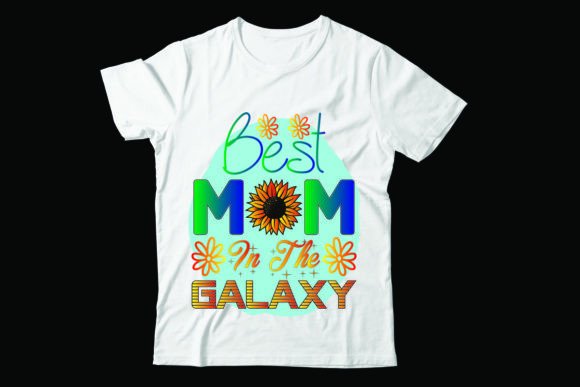
Best Mom in the Galaxy
A Designer’s First Glance: Playful, Bold, and Instantly Warm
When Best Mom in the Galaxy landed in my inbox, I paused mid-coffee sip—not because it’s flashy or technically complex, but because it *feels* like a hug. The layout is clean and centered, with friendly, rounded lettering and subtle cosmic touches (a tiny star, maybe a soft swirl) that don’t compete with legibility. It’s not overly cutesy, nor is it minimalist to the point of coldness. As a machine embroidery design, its visual personality leans into warmth and sincerity—exactly what customers reach for when personalizing a baby onesie, stitching a boutique tote, or gifting a new mom at a baby shower. That emotional resonance matters more than perfect symmetry when you’re building trust through handmade product.
Where This Design Truly Shines—in Real Projects, Not Just Mockups
I tested Best Mom in the Galaxy on three real items: a medium-weight cotton twill tote bag, a 100% cotton unisex sweatshirt, and a linen-blend kitchen towel. On the tote? Crisp, confident, and instantly recognizable—even from six feet away. The letterforms held their shape beautifully with standard stabilizer and medium-density fill stitch. On the sweatshirt, the design retained charm without puckering, especially when I adjusted tension slightly and used tear-away + cut-away combo stabilizer. The towel was the most revealing test: fine linen blends can blur small details, but Best Mom in the Galaxy’s generous spacing and modest detail level kept every word sharp. It performed well as a custom apparel piece, a holiday embroidery gift, and even as part of a small shop product line for Mother’s Day pop-ups.
Where to Proceed Thoughtfully—Not Every Fabric or Fit Is Equal
This isn’t a one-size-fits-all embroidery file. On stretchy jersey tees, I’d recommend adding light iron-on stabilizer *beneath* the hoop—not just on top—to prevent wobble in the “Galaxy” curve. For dark fabric, double-check thread color contrast before final stitching; the design’s charm relies on readability, not just whimsy. Tiny hoops (under 4 inches) will require scaling down—but do so cautiously. Those little stars and soft edges compress quickly, risking loss of character. Curved surfaces like caps or baby beanies? Possible, but only with proper cap frames and reduced density to avoid stiffness. And while it works beautifully as an embroidered patch or pillow cover, avoid layering it over thick seams or textured fleece unless you’ve pre-tested stitch height and thread build-up.
What It Adds—and What It Doesn’t Compromise
Best Mom in the Galaxy elevates handmade presentation without demanding perfection from the maker. Its balanced proportions mean it reads clearly on both Etsy listings and craft fair displays. Customers notice it first for its positivity—not its technical complexity—and that builds instant connection. As a personalized gift, it feels intentional, not generic. As a small business merchandise item, it supports brand consistency when paired with complementary designs (think matching mugs or greeting cards). Importantly, it doesn’t sacrifice professionalism for playfulness: the clean lines and open spacing translate well into printable mockups and digital embroidery file previews—critical for Etsy sellers who rely on strong visual storytelling before the first stitch.
Practical Notes Every Embroidery Designer Should Run Through
- Always test first—on scrap fabric matching your final project’s weight and stretch. A quick run on cotton twill tells you more than any PDF preview.
- Review stitch density before hooping. If your machine allows, check whether the fill areas are dense enough for coverage on light fabrics—but not so dense they’ll stiffen a baby onesie.
- Inspect small details at actual size: those tiny stars should be distinct, not fuzzy dots. If they vanish in your test, adjust underlay or reduce scaling.
- Confirm licensing before selling finished products or bundling this as part of a digital embroidery file pack. Since the listing notes it's a T-Shirt Design and Graphics asset, clarify commercial use rights directly with the creator if uncertain.
- Try black-and-white mockups—not just color. You’ll spot contrast issues faster, especially for sublimation or print-on-demand integrations.
- Use proper stabilizer for your fabric type. Lightweight cut-away works for most cottons; mesh cut-away adds stability for knits without bulk.
- Compare light vs. dark backgrounds in your design software. Some “cosmic” accents may disappear on navy unless thread color is carefully chosen.
Final Thought: A Design That Sells Itself—When Used With Intention
Best Mom in the Galaxy isn’t about pushing technical boundaries—it’s about delivering genuine emotional value with reliability. It fits naturally into baby embroidery, custom apparel, boutique branding, and heartfelt holiday embroidery. As a craft business owner, I’ve seen how a single well-chosen design can anchor a seasonal collection; this one does that quietly and effectively. It invites engagement without shouting, feels handmade without looking amateurish, and holds up across formats—from embroidered patch to printable sublimation design. Just remember: its strength lies in thoughtful execution, not automatic success. Pair it with smart stabilizing, intentional thread choices, and honest testing—and you’ll have a finished product that resonates far beyond the hoop.