A Retro Design Gem for Seasonal T-Shirts & Graphics
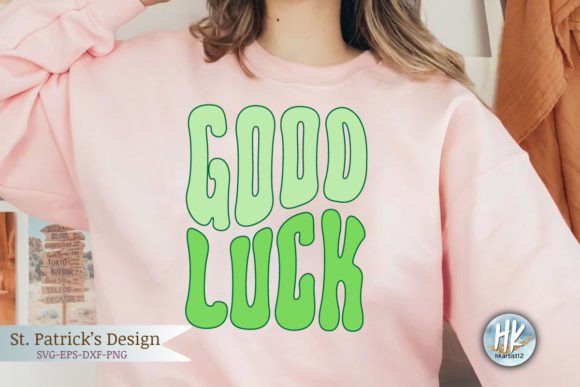
When you’re building a website or a blog that needs to look both polished and clickable, every graphic design asset counts. The first impression isn’t just about your words—it’s about the visual communication that greets a reader. Opening the Good Luck Retro SVG file, the immediate feeling is one of playful, seasonal charm. It creates an editorial mood that’s lifestyle-focused and artistic, perfect for content that leans into holidays, crafts, or lighthearted celebrations.
The Editorial Mood of a Retro Graphic
This isn’t a sterile, corporate graphic. The retro styling evokes a sense of warmth and nostalgia, which can significantly affect reader perception. For a publisher, this means it naturally supports niches like DIY blogs, seasonal gift guides, family-focused content, creative entrepreneurship, and affiliate marketing around holidays like St. Patrick’s Day. It feels decorative yet clean, bold enough to stand out but not overwhelming. This balance is crucial for maintaining reader trust; it signals that your content is thoughtfully presented, not haphazardly thrown together.
Real Publishing Workflow: From Blog Feature to Pinterest Pin
Imagine you’re preparing a spring holiday roundup post. You need a featured image that pops on the homepage, a Pinterest graphic that drives clicks, and consistent visuals for social media teasers. Here’s where the Good Luck Retro SVG shines. Because the download includes versatile formats—SVG for scalable quality, EPS for editorial layouts, and ready-to-use PNGs and JPGs—it seamlessly integrates into a real publishing workflow.
- As a blog featured image, it establishes immediate visual hierarchy, framing your headline with a festive accent.
- As a Pinterest pin graphic, its bold, recognizable shapes are designed to stop the scroll and encourage clicks.
- As a website banner for a seasonal category page, it boosts category recognition and strengthens your site’s visual identity for that topic.
- As an editorial accent within a digital guide or downloadable worksheet, it makes a lead magnet or content upgrade feel more professional and cohesive.
- As a newsletter header for a St. Patrick’s Day special offer, it creates a stronger first impression right in the inbox.
How This Asset Supports Content Performance
For bloggers, digital marketers, and online educators, the quality of your visuals directly impacts performance. Using a well-designed asset like this supports several key areas:
- Clearer Visual Hierarchy: The graphic acts as a focal point, guiding the reader’s eye to the most important part of your page or pin.
- Better Click-Through Potential: On platforms like Pinterest or in social media previews, a distinctive, professional-looking graphic stands out against generic text posts.
- More Consistent Branding: When used across a series of posts, emails, and downloadable resources, it reinforces a cohesive brand identity for seasonal content.
- Improved Reader Trust: Polished blog graphics and editorial design signal that you invest in your content’s presentation, which builds credibility.
- Stronger Visual Identity: For a small business or creative entrepreneur, such assets help carve out a recognizable look in a crowded digital marketplace.
The Best Places to Use This Graphic in Your Content
For maximum impact, integrate the Good Luck Retro SVG into these specific content pieces:
- Hero Images for landing pages promoting seasonal crafts or affiliate product collections.
- Article Thumbnails in your blog archive, making holiday-themed posts instantly identifiable.
- Pinterest Pins driving traffic to tutorials, printables, or product reviews.
- Blog Graphics as section dividers or decorative elements within a long-form post.
- Content Upgrades & Lead Magnets, like the cover of a “St. Patrick’s Day Craft Ideas” digital guide or a worksheet header.
- Category Visuals on your website, giving a “Holidays & Crafts” section a visual anchor.
- Newsletter Headers that make your email content feel like a curated publication.
- Social Media Previews for links to your blog, ensuring the thumbnail looks designed, not random.
Publisher Notes: Testing and Practical Considerations
Before you deploy any new design asset, a few practical checks are essential. This is where an experienced blog designer’s habits pay off.
First, always test on desktop and mobile screens. How does the graphic look as a small thumbnail? Preview it inside a real blog layout alongside your headline. Check contrast and readability—if you overlay text, ensure the background elements don’t clash. I recommend trying it with different font styles: a clean sans-serif for modern blogs, a playful script for creative sites, or a sturdy serif for more traditional editorial feel. This tells you if the asset is versatile.
Consider performance. When using the JPG or PNG for web, review the file size and compress images properly to maintain site speed. For commercial use—on monetized websites, affiliate pages, or within paid digital products like Canva templates—always confirm the commercial licensing terms of the asset. Assuming it’s licensed for commercial design, this graphic becomes a powerful tool for small business branding and content marketing.
Where to Use This Asset Carefully
While versatile, the Good Luck Retro SVG has a specific mood. Use it carefully in these contexts:
- Small Mobile Thumbnails where intricate details might become lost or muddy.
- Text-Heavy Blog Images where the graphic could compete with crucial copy if not balanced properly.
- Low-Contrast Backgrounds that might diminish its bold, retro impact.
- Busy Layouts where adding another decorative element could create visual clutter.
- Serious Professional Niches or corporate content where a playful, seasonal tone is inappropriate.
- Websites with a Very Minimal Visual System that might find this style too decorative.
Final Thought: A Seasonal Anchor for Your Visual Content
For the digital publisher, a graphic like the Good Luck Retro SVG is more than just a cute file. It’s a ready-made component for elevating your editorial design. It helps turn a standard blog post into a visually engaging article, a basic Pinterest link into a compelling pin, and a simple newsletter into a branded communication. By investing in quality design assets that fit your content’s mood, you build a website that not only informs but also delights and retains readers—a fundamental goal for any content creator, affiliate marketer, or creative entrepreneur building their presence online.